Russia at a glance
| Best months | December to March; February to early March is especially useful for deep-winter conditions and established Lake Baikal ice |
| Typical winter temperatures | Highly regional: about -8 to -13°C around Murmansk, with temperatures well below -20°C in continental Siberian and Far Eastern locations; short severe spells can be colder |
| Currency | Russian ruble (RUB) |
| Approximate seven-day ground budget | RUB 18,000–48,000 (approx. £160–£420) per person as a basic country-level baseline, excluding international flights and specialist regional programmes |
| Winter Experience Score | 9.4/10: snow 9.5, nature and wilderness 10, winter experiences 9.5, uniqueness 10, value 8 |
| Best for | Arctic landscapes, real snow, winter wilderness, Northern Lights, frozen-lake photography, volcanic adventure and unusual winter experiences |
| Main winter regions | Kola Peninsula & Murmansk, Kamchatka, Altai & Siberia, Lake Baikal and Karelia |
These are not uniform national conditions: each region has its own season, gateway and cost structure.
Why visit Russia in winter?
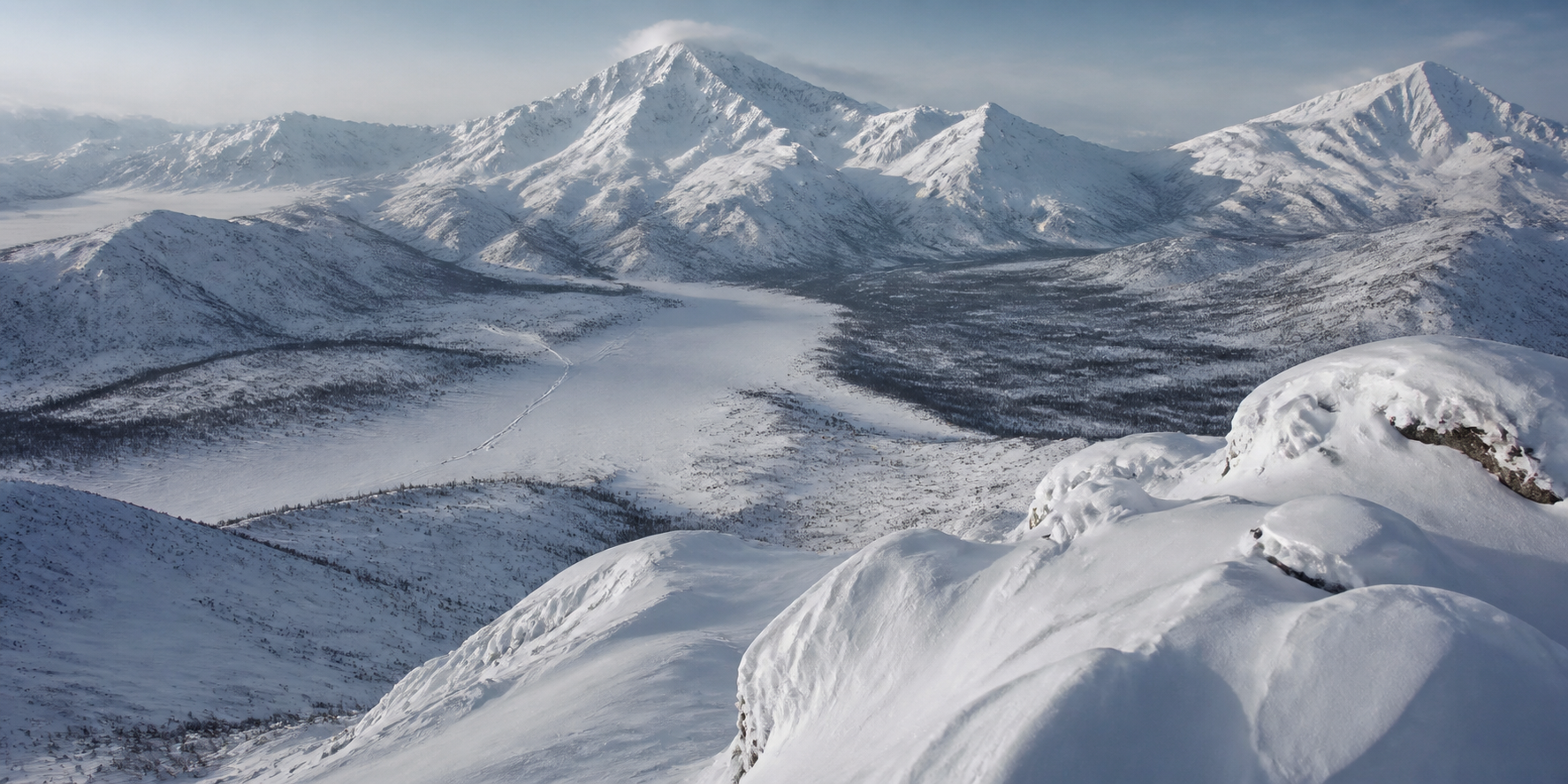
Russia's main winter strength is environmental range. Kola combines Arctic tundra, the Khibiny Mountains and Barents coast; Kamchatka places deep snow beside volcanoes and geothermal water; Altai brings mountains, taiga and continental basins; Baikal becomes a vast ice landscape; and Karelia offers forests, frozen lakes and cultural sites.
The regions support different holidays. Kola combines aurora with Teriberka and Arctic activities; Baikal centres on ice, Olkhon and the Small Sea; Kamchatka on specialist freeride, snowmobiles and thermal springs. Altai mixes resort access with remote mountain roads, while Karelia suits snowshoeing, cross-country skiing, huskies and forest scenery.
Transparent Baikal ice, Kamchatka's snowy volcanoes and Kola's Arctic light give the country a distinctive visual identity. That does not imply consistent conditions: snow can be uneven in southeastern Altai, thaws affect southern Karelia, aurora remain weather-dependent and coastal storms interrupt travel.
Principal strengths: exceptional geographic scale; long snow seasons in several featured regions; strong Arctic, mountain, taiga and frozen-lake settings; and a broad mix of skiing, ice, aurora, sledding and wilderness experiences.
Principal trade-offs: very long distances between regions; specialist transport or guides for many headline activities; severe cold and limited daylight on some itineraries; and regional trip costs that are much higher than the basic national spending benchmark.
Best winter destinations in Russia
These five destinations should be treated as alternatives for separate trips. A short first visit should normally focus on one region rather than attempt to connect Kola, Baikal, Kamchatka, Altai and Karelia.
Kola Peninsula & Murmansk
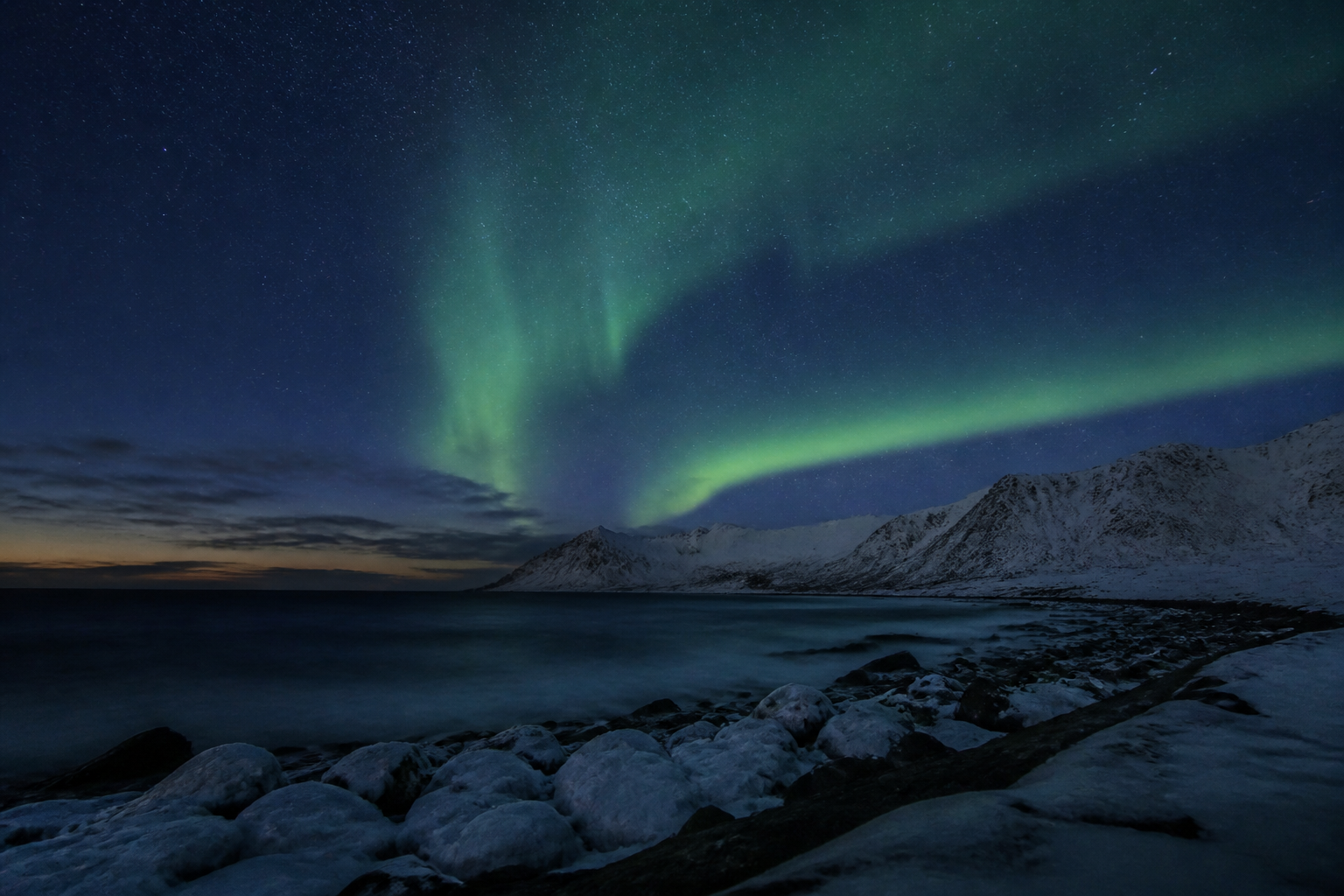
Kola is Russia's clearest Arctic and Northern Lights choice. Murmansk is the base; Teriberka opens the Barents coast, Lovozero supports cultural and tundra activities, and Kirovsk gives access to the Khibiny. Aurora still require darkness, clear skies and suitable geomagnetic activity.
- Best months: December to March. December and January bring polar-night conditions; February and March retain dependable snow with more daylight.
- Typical temperature: About -8 to -15°C around Murmansk and accessible parts of Kola, with colder spells and stronger wind chill on exposed coasts or plateaus.
- Snow conditions: Snow cover generally lasts from mid-October to mid-May and longer in mountain areas. Coastal wind redistributes snow and can affect roads.
- Key experiences: Aurora hunting outside city light, Teriberka, Khibiny skiing, tundra snowmobiling or snowshoeing, dog sledding, reindeer activities and polar-night photography.
- Approximate five-day ground budget: RUB 60,000–90,000 (approx. £520–£780) per person from Murmansk using mid-range accommodation and shared excursions. Private aurora hunts, Teriberka transfers and Khibiny trips can raise the total.
- How to get there: Fly to Murmansk Airport and use Murmansk as the gateway. Teriberka and Lovozero continue by road or organised transfer; Kirovsk and the Khibiny need a separate road or rail transfer and can also be approached via Khibiny Airport.
- Practical drawback: The main sights are spread out, and wind, drifting snow or closure of the single Teriberka road can disrupt plans.
Travellers praise aurora hunting, Barents Sea scenery, Arctic activities and the blue-hour atmosphere. They also stress that sightings are never guaranteed and organised transport is preferable when roads deteriorate.
Kamchatka
Kamchatka is the most specialist destination here, defined by deep maritime snow, volcanic terrain and geothermal water. Snowmobiles, guided freeride or ski touring, volcano views, dog sledding and thermal pools form the core programme. Aurora are possible but not a dependable reason to visit the main southern base.
- Best months: January to April for deep snow, snowmobiles, freeride and hot springs; March and April generally provide longer daylight.
- Typical temperature: About -5 to -15°C around Petropavlovsk-Kamchatsky, Yelizovo and the southeast coast. Inland valleys and high terrain can be substantially colder.
- Snow conditions: A deep maritime snowpack supports winter travel from December into April or May, but storms and wind can change access quickly.
- Key experiences: Snowmobile routes towards volcanoes, qualified-guide freeride or ski touring, Paratunka thermal pools, dog sledding, geothermal features and Pacific-coast winter photography.
- Approximate five-day ground budget: RUB 60,000–150,000 (approx. £520–£1,300) per person from Yelizovo or Petropavlovsk-Kamchatsky. Helicopter trips, heli-skiing and private snowmobile programmes can cost far more.
- How to get there: Yelizovo Airport is the main gateway, followed by road transfer to Petropavlovsk-Kamchatsky, Yelizovo or Paratunka. Remote winter routes commonly continue by suitable vehicle, snowmobile, tracked vehicle or helicopter through an operator.
- Practical drawback: Weather can cancel or reshape a programme, and the strongest activities usually need specialised vehicles and local guides.
Travellers praise the powder, volcanoes, thermal pools and remote terrain. Cost and weather dependence are repeated limitations, particularly when flying conditions or changing snow affect specialist programmes.
Altai & Siberia
Altai is the factual centre of this broad entity; its details should not be generalised to all Siberia. Around Gorno-Altaysk, Manzherok combines developed skiing with mountain scenery, while the Chuya Highway leads towards remote valleys and high basins. Teletskoye and Karakol add further winter options.
- Best months: January to March. December works at developed resorts, while February and March usually offer a better balance of established snow and daylight.
- Typical temperature: Highly variable by elevation and basin, from average January conditions around -12°C in milder valleys to roughly -32°C in high continental basins such as Kosh-Agach.
- Snow conditions: Uneven. Northern and northeastern mountains and ski zones can hold deep snow, while the Chuya and Kurai steppe basins may be dry, wind-scoured or nearly snowless.
- Key experiences: Skiing at Manzherok or Teletskoye, the Chuya Highway in winter, snowshoeing or skiing through taiga, dog sledding in the Karakol Valley and regional cultural or food experiences.
- Approximate five-day ground budget: RUB 35,000–90,000 (approx. £300–£780) per person from Gorno-Altaysk, from a basic shared resort programme to an itinerary with transfers and guiding. Premium Manzherok stays can exceed the range.
- How to get there: Gorno-Altaysk Airport is the main gateway. Manzherok is about 30 km away; the northern shore of Lake Teletskoye is roughly 250 km away. Ulagan, Kosh-Agach and other remote areas need long road transfers.
- Practical drawback: Climate and snow vary sharply, while services become sparse and journeys long beyond the principal resort corridors.
Travellers praise quiet landscapes, frozen rivers and Manzherok's prepared runs. Severe cold can halt lifts, while transport and weak mobile reception complicate travel beyond the main corridor.
Lake Baikal
Lake Baikal is the strongest ice and winter-photography choice. Established ice can show clear surfaces, cracks, pressure ridges, shoreline forms and caves. Olkhon and the Small Sea anchor longer itineraries; Listvyanka is closer to Irkutsk. Appearance, thickness and authorised access vary by date and place.
- Best months: February to March. Late January can be transitional, so local access must follow current authorised routes and operator guidance.
- Typical temperature: About -15 to -30°C during the core February–March season, with colder spells and significant variation by basin, wind exposure and proximity to open water.
- Ice and snow conditions: Broad ice cover usually develops by mid- to late January and thickens through winter. It may be clear, cracked, ridged or snow-covered; safe thickness is not uniform.
- Key experiences: Transparent-ice photography, guided caves and pressure ridges, Olkhon and the Small Sea, dog sledding, snowmobiling, locally approved skating, and Siberian or Buryat food and culture.
- Approximate five-day ground budget: RUB 55,000–120,000 (approx. £480–£1,040) per person from Irkutsk for a shared winter itinerary. Private ice expeditions and premium stays can cost substantially more.
- How to get there: Irkutsk is the principal air and rail gateway. Listvyanka is about 65 km away by road; Olkhon and the Small Sea require a longer transfer. Use only currently authorised crossings and experienced operators for movement on lake ice.
- Practical drawback: The specialist ice window is short, transfers are long and exposed cold can limit time outside.
Travellers highlight clear ice, caves, pressure ridges and immense scale, often centring the trip on Olkhon. Precise timing, popular-date availability and safe local access are recurring issues.
Karelia
Karelia combines taiga, frozen lakes and cultural heritage. Petrozavodsk is the main base; Sortavala serves Ruskeala and Ladoga. Programmes include sledding, snowmobiling, cross-country skiing, snowshoeing, Kivach and seasonal Kizhi access. Aurora are possible farther north but less dependable than on Kola.
- Best months: January to March for established snow and frozen landscapes; February and March provide more daylight. Northern wilderness areas can retain winter longer.
- Typical temperature: Average January–February conditions range roughly from -8°C in southern Karelia to -14°C in northern areas. Arctic outbreaks can be much colder, while thaws also occur.
- Snow conditions: Snowy winters are typical inland and in the north, but southern areas are more exposed to thaw cycles. Northern Vodlozersky National Park can retain sub-zero temperatures and permanent snow for about six months.
- Key experiences: Husky and reindeer activities, snowmobiling, cross-country skiing, snowshoeing, Ruskeala, seasonal Kizhi access, Kivach and Karelian food or culture.
- Approximate five-day ground budget: RUB 40,000–75,000 (approx. £350–£650) per person from Petrozavodsk or Sortavala using mid-range accommodation and shared excursions. New Year dates and specialist transport can cost more.
- How to get there: Reach Petrozavodsk by rail, road or air, or use Sortavala for Ruskeala and Ladoga. Other sights continue by road; winter Kizhi access is seasonal and commonly uses specialised ice transport.
- Practical drawback: Conditions in the south vary during thaws, and dispersed sights or seasonal island access require advance planning.
Travellers praise snowy Ruskeala, quiet paths, the retro train and husky experiences. Uneven service and transport recur as concerns, especially around small properties and seasonal routes.
Best winter experiences
Russia's defining experiences are spread across the country rather than concentrated in one resort area:
- Northern Lights on Kola: Dark-sky outings can combine with tundra, Teriberka or Khibiny activities, subject to cloud and solar conditions.
- Lake Baikal's winter ice: Local guidance opens clear ice, cracks, ridges and shoreline caves in February and March.
- Kamchatka's volcanic terrain: Deep snow and volcano scenery create a specialist freeride and snowmobile trip requiring qualified support.
- Snowmobiles, huskies and snowshoes: Kola, Karelia, Altai and Kamchatka offer different versions of these activities.
- Winter sport and thermal water: Kamchatka supplies the clearest geothermal contrast.
- Taiga, mountains and frozen lakes: Altai and Karelia cover forest and mountain travel; Baikal supplies the most dramatic ice setting.
- Deep-winter photography: Kola light, Baikal ice, Kamchatka volcanoes and Altai scenery support distinct visual itineraries.
When to go
December to March is the broad national answer, but choosing by region is more useful. December and January suit Kola's polar-night atmosphere and long dark windows for aurora, although daylight is very limited. February and March retain Kola snow with more daylight and are the main period for established ice on Lake Baikal.
January to March is the core period for Altai and Karelia. Later winter generally brings a better balance of snow and usable daylight, though thaws can affect southern Karelia and Altai snow remains highly regional. Kamchatka's core snow programme extends from January into April, with March and April offering longer days. No date guarantees aurora, stable roads, operational helicopters or safe lake ice; build flexibility around the activity that matters most.
Winter costs
The national and regional figures describe different types of spending and should not be compared as if they buy the same trip. The national figure is a basic seven-day ground-cost baseline. Destination figures represent five-day winter itineraries from the named regional gateway and include varying degrees of accommodation, transfers and shared activities.
| Trip basis | Approximate ground budget per person | Important context |
|---|---|---|
| Russia country baseline, 7 days | RUB 18,000–48,000 (approx. £160–£420) | Basic budget-to-mid-range ground spending; not a realistic total for the specialist trips below |
| Kola from Murmansk, 5 days | RUB 60,000–90,000 (approx. £520–£780) | Shared excursions and mid-range accommodation; private aurora or remote transfers cost more |
| Kamchatka from Yelizovo/Petropavlovsk, 5 days | RUB 60,000–150,000 (approx. £520–£1,300) | Helicopter, heli-ski and private snowmobile programmes can exceed the range substantially |
| Altai from Gorno-Altaysk, 5 days | RUB 35,000–90,000 (approx. £300–£780) | Varies from a simple resort stay to guided travel with long transfers |
| Lake Baikal from Irkutsk, 5 days | RUB 55,000–120,000 (approx. £480–£1,040) | Private ice travel and premium accommodation raise costs |
| Karelia from Petrozavodsk or Sortavala, 5 days | RUB 40,000–75,000 (approx. £350–£650) | New Year dates and specialist snowmobile or island access can cost more |
These ranges exclude international flights. Domestic transport between distant regions is also not a reason to combine them: Kola, Baikal, Kamchatka, Altai and Karelia should normally be budgeted as separate holidays.
Practical UK entry information
British citizens need a visa before travelling to Russia. A passport must remain valid for at least six months after the visa expires. Applicants aged 12 or over normally submit biometrics at a visa application centre; arrival biometrics, an immigration card and local registration for stays longer than seven working days also need to be considered.
Foreign-issued Visa and Mastercard cards do not work in Russia. This is a practical payment restriction rather than part of the Winter Experience Score, and travellers need to make suitable payment arrangements before departure. Requirements and payment conditions can change, so check the current official UK entry information before booking and again before travel.
This section summarises practical formalities only. Visa difficulty, payment limitations and general accessibility do not affect the winter-experience rankings shown below.
What travellers say
Travellers frequently describe Lake Baikal and Kola as visually extraordinary, especially the clear ice, deep snow, aurora hunting and Arctic activities. Baikal discussions return to the scale of the lake and the need to time the ice season correctly; Kola reports praise Teriberka and polar-night atmosphere but stress that cloud can defeat an aurora plan. Kamchatka visitors focus on powder, volcanoes and thermal pools, while Altai and Karelia discussions value quiet scenery and low-crowd outdoor experiences.
The recurring practical theme is dependence on local organisation. Guides, suitable vehicles and current route information matter outside the main bases and are essential for unfamiliar lake ice or specialist terrain. Severe cold, storms, long transfers and seasonal access can all change an itinerary. These are aggregated patterns from public traveller discussions, not direct quotations or guarantees of an individual trip.
Where Russia ranks
Russia leads five of the six winter comparisons and ranks second for photography. Each ranking measures a different property of the winter experience and uses theme-specific criteria; entry and payment practicalities are covered separately.
| Ranking | Position | Score |
|---|---|---|
| Winter tourism | #1 | 9.4/10 |
| Snow and a real winter | #1 | 9.8/10 |
| Northern Lights winter trip | #1 | 9.5/10 |
| Winter wilderness | #1 | 9.9/10 |
| Winter adventure | #1 | 9.8/10 |
| Winter photography | #2 | 9.7/10 |
FAQ
Is Russia good for a winter holiday?
Yes, particularly for travellers prioritising deep winter, wilderness, snow, ice and unusual regional experiences. It is less suitable as an improvised multi-region trip because distances, specialist transport and practical formalities require advance planning.
What is the best place in Russia to visit in winter?
Lake Baikal is the standout choice for transparent ice and winter photography, while Kola is best for an Arctic trip built around the Northern Lights. Choose Kamchatka for specialist snow adventure, Altai for continental mountains or Karelia for forests, lakes and cultural sights.
Where can I see the Northern Lights in Russia?
The Kola Peninsula is the strongest destination in this guide, with Murmansk as the gateway and darker locations around the peninsula used for viewing. No trip guarantees aurora: darkness, cloud cover and geomagnetic activity must align.
When is the best time to visit Lake Baikal in winter?
February to March is the core period for established Baikal ice. Late January can still be transitional, and safe access varies by location, so use currently authorised routes and experienced local operators.
Is Kamchatka worth visiting in winter?
Yes, if volcanic scenery, deep snow, freeride, snowmobiles and thermal springs justify a specialist trip. It is the most logistically demanding and potentially expensive region covered here, and weather can force substantial changes.
How much does a winter trip to Russia cost?
A basic seven-day country-level ground baseline is RUB 18,000–48,000 (approx. £160–£420) per person, excluding international flights. Real five-day winter programmes range from about RUB 35,000–90,000 (approx. £300–£780) in Altai to RUB 60,000–150,000 (approx. £520–£1,300) in Kamchatka, with premium specialist activities costing more.
Which part of Russia has the best snow?
Kamchatka is the strongest choice for deep maritime snow and specialist freeride, while Kola has a long established snow season and the Khibiny Mountains. Altai can be excellent in northern mountain and ski areas, but southeastern steppe basins may be wind-scoured or nearly snowless.
Sources & notes
Facts and traveller sentiment were checked on 20 August 2026. Key existing references used for this guide include:
- Country practical information and baseline cost: UK entry requirements; Russia travel costs.
- Kola Peninsula & Murmansk: Murmansk regional guide; winter season guide; regional tourism information; five-day cost benchmark; Teriberka traveller reviews.
- Kamchatka: travel guide; thermal springs; 2026 prices; snowboarding discussion.
- Altai & Siberia: Winter Altai; Altai climate characteristics; Lake Teletskoye; five-day cost benchmark; Manzherok traveller reviews.
- Lake Baikal: winter timing and ice guidance; climate and nature; gateway and activities; 2026 cost examples; winter traveller discussion.
- Karelia: regional tourist tips; Vodlozersky National Park; Petrozavodsk Airport; five-day cost benchmark; Ruskeala traveller reviews.
- GBP conversion: exchange-rate snapshot.
GBP equivalents are approximate and use exchange rates checked on 20 August 2026. Actual exchange rates may vary.