Karelia at a glance
| Best months | January to March for established snow and frozen landscapes; February and March generally provide more daylight |
| Typical temperature | Average January–February conditions range from roughly -8°C in southern Karelia to -14°C in northern areas; Arctic outbreaks can be much colder, while thaws also occur |
| Snow conditions | Snowy winters are typical inland and in the north; southern areas are more exposed to thaw cycles |
| Aurora relevance | Possible — more plausible in northern Karelia, but less dependable than Kola and not the main reason to visit |
| Approximate five-day ground budget | RUB 40,000–75,000 (approx. £350–£650) per person from Petrozavodsk or Sortavala |
| Main gateway | Petrozavodsk by rail, road or air; Sortavala for Ruskeala and the Ladoga area |
| Best for | Forests, frozen lakes, Ruskeala, huskies, snowmobiling, cross-country skiing and cultural winter experiences |
Why visit in winter?
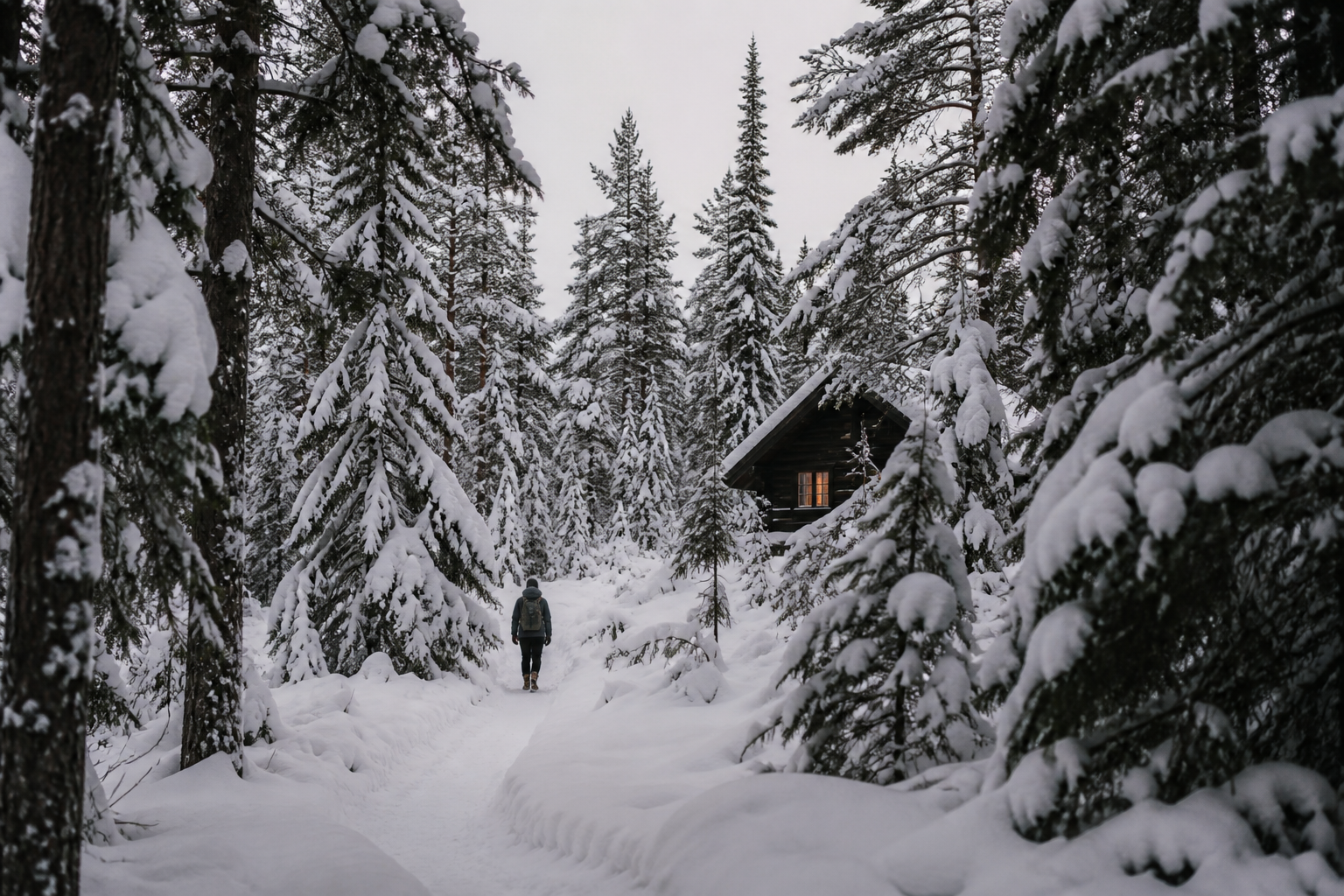
Karelia offers a winter landscape built around taiga, lakes and dispersed cultural sites rather than high mountains or one monumental ice surface. The combination supports several activity types: dog sledding, reindeer experiences, snowmobiling, cross-country skiing and snowshoeing can sit alongside Ruskeala, Kivach and regional food or culture.
Petrozavodsk and Sortavala give the destination two practical starting points. Petrozavodsk serves the wider region, while Sortavala is the relevant base for Ruskeala and Ladoga. Kizhi may be included when seasonal winter transport is operational, using authorised specialised access rather than assuming a regular year-round route.
This two-gateway structure supports different itineraries. A Sortavala-centred stay naturally gives more weight to Ruskeala and the Ladoga area, while Petrozavodsk is better positioned for the wider regional set. Trying to cover every cultural site, wilderness base and lake activity in five days can create more road time than the broad destination label suggests.
The snow experience varies north to south. Southern Karelia is more exposed to thaws, while northern areas can retain winter longer. In Vodlozersky National Park, sub-zero conditions and permanent snow can last about six months, with February and March identified as the best period for winter routes.
Strengths: a broad mix of taiga, frozen lakes and cultural heritage; organised winter activities; lower ground costs than Kola or Kamchatka; practical gateway cities; and a good February–March balance for active and cultural travel.
Trade-offs: southern thaws; dispersed sights and long road excursions; seasonal dependence for islands and remote parks; uneven local service; and aurora potential that is weaker than on Kola.
Best winter experiences
- Visit Ruskeala in snow and frost: The marble canyon and winter paths are the destination's clearest recognised landscape-and-culture combination.
- Go dog sledding or try a reindeer experience: These activities add a structured outdoor focus from regional bases.
- Snowmobile through forest-and-lake scenery: Organised routes provide broader access to the winter landscape.
- Cross-country ski or snowshoe: Karelia's terrain suits quieter movement through forests and around frozen water.
- See Kivach and snow-covered taiga: Waterfall and forest scenery broaden the trip beyond Ruskeala.
- Visit Kizhi when winter access is operational: Seasonal specialised transport and current conditions determine whether the journey is available.
- Explore Karelian culture and food: Regional context makes the trip more than a sequence of outdoor activities.
Snow, aurora and winter conditions
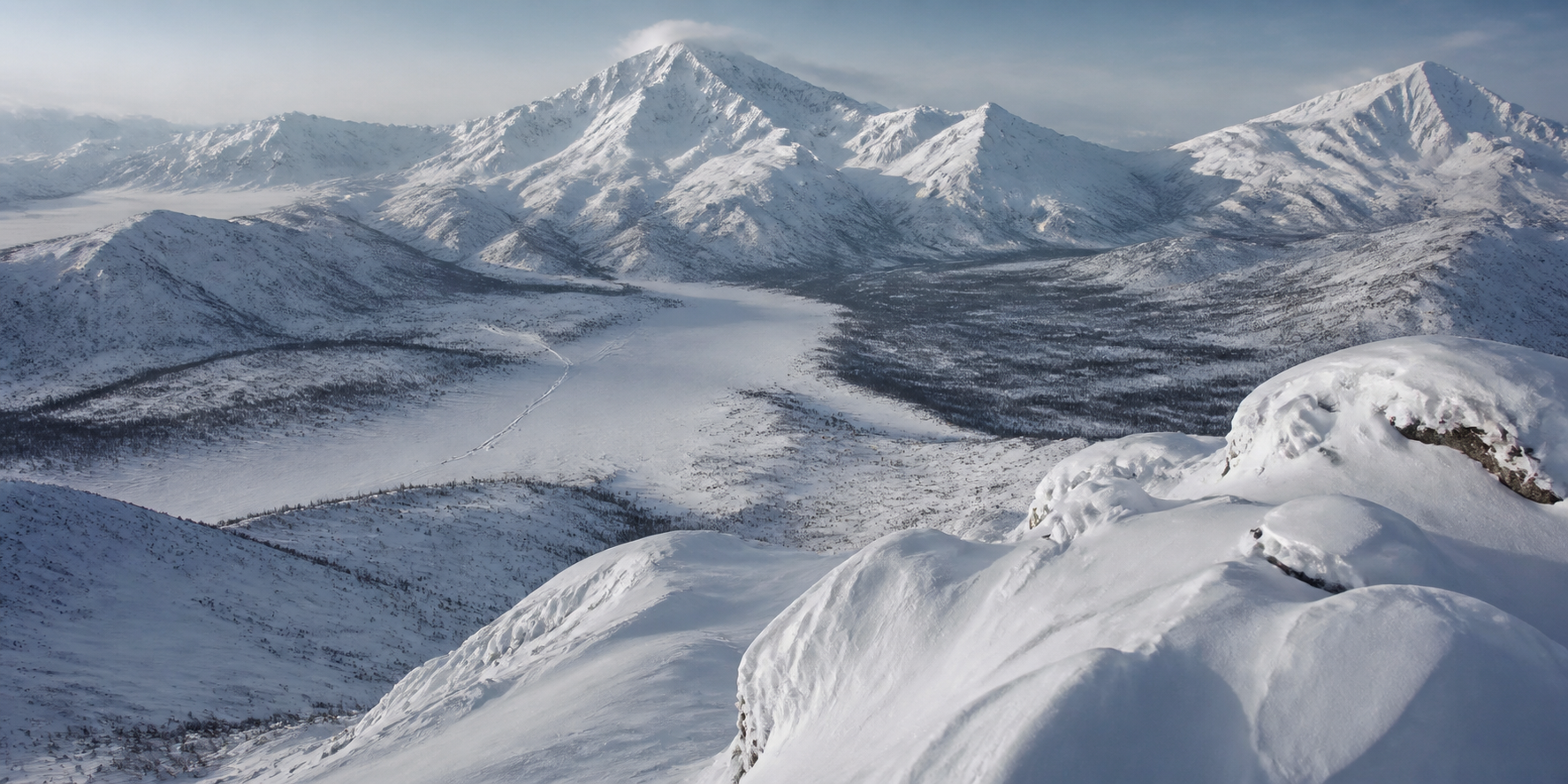
Snowy winters are typical, especially inland and in the north. Southern Karelia has greater thaw risk, so the same dates do not guarantee identical surfaces across Petrozavodsk, Sortavala and northern wilderness areas.
Average January–February temperatures are roughly -8°C in the south and -14°C in the north. Arctic outbreaks can lower temperatures to about -30 to -36°C, while milder spells and thaws also occur. This variability affects snow, roads and seasonal ice transport.
Northern Vodlozersky National Park illustrates the longer-winter end of the range: sub-zero conditions and permanent snow can last around six months, and February or March is identified as the best period for winter routes. That northern pattern should not be transferred automatically to Sortavala or southern Karelia.
Aurora classification is possible. Northern Karelia can see displays on dark, clear nights, while southern areas around Petrozavodsk are less dependable. The lights should be treated as a possible addition to a forest-and-culture trip, not as an equivalent alternative to Kola's strong aurora proposition.
Best time to visit
January to March is the main period for established snow and frozen landscapes. February and March generally provide more daylight and are particularly relevant to winter routes in northern areas.
New Year dates may carry higher costs, while southern thaws remain possible throughout the season. Choose timing around the priority activity and confirm seasonal access where Kizhi, remote parks or lake transport matter.
For a balanced first visit, February and March provide the strongest general combination of daylight, snow activities and cultural excursions. January remains viable, particularly when deep-midwinter atmosphere matters more than longer days.
How to get there
Petrozavodsk is the principal regional gateway by rail, road and air. It is the starting point for Kivach, Girvas, Kinerma and other regional excursions.
Sortavala is the second gateway for Ruskeala and the Ladoga area. Major sights remain dispersed and continue by road. Winter Kizhi access is seasonal and tour-dependent, commonly using specialised ice transport when operations and current conditions allow.
Kivach, Girvas, Kinerma and wilderness bases also continue by road from the relevant gateway. Their inclusion should be matched to the chosen base rather than presented as a single chain of short transfers.
Winter costs
The established five-day ground benchmark is RUB 40,000–75,000 (approx. £350–£650) per person, starting from Petrozavodsk or Sortavala. It assumes mid-range accommodation and shared excursions.
New Year dates, specialist snowmobile activities and winter Kizhi access can cost more. The figure excludes international flights and is the appropriate destination benchmark; it should not be replaced by the lower general Russia country baseline.
The stated range is most useful for a shared mid-range itinerary. Private transfers across dispersed sights or repeated specialist activities change the budget, so the upper limit is not an all-inclusive ceiling.
Choosing one gateway and a limited set of excursions is the clearest way to keep a five-day plan near the benchmark.
What travellers say
Travellers frequently praise Ruskeala's marble canyon in frost and snow, quiet winter paths and the atmosphere added by the retro train from Sortavala. Husky experiences and warm wooden accommodation also appear as memorable parts of the trip.
The recurring concern is uneven service and transport. Winter access can need advance planning, and some small properties offer limited food or facilities. This sentiment is based on the existing Ruskeala and accommodation reviews and is not expanded into claims about every part of Karelia.
How this destination fits into a Russia winter trip
Choose Karelia within a Russia winter holiday when forests, frozen lakes, organised activities and cultural sights matter more than a specialist expedition. Choose Kola Peninsula & Murmansk for stronger aurora potential and Arctic tundra; Kamchatka for volcanoes and deep maritime snow; Altai & Siberia for mountains and continental road travel; or Lake Baikal for transparent ice and a dedicated frozen-lake journey.
Karelia's lower ground-cost range and gateway options make it less specialist than Kamchatka or Baikal, but dispersed sights and seasonal access still require planning. The five Russian destinations are far apart and normally work as separate trips.
It is also the only one of the five where a cultural and forest-led programme can remain central without aurora, extreme mountain sport or a single ice phenomenon. That makes it a credible choice for travellers seeking variety at a gentler intensity.
Relevant comparisons: Best Winter Wilderness Destinations, Best Winter Adventure Destinations, Best Snow Destinations and Best Winter Destinations.
FAQ
Is Karelia worth visiting in winter?
Yes, for forests, frozen lakes, Ruskeala, huskies, snowmobiling and a cultural winter programme. It is a gentler and less specialist choice than Kamchatka or Lake Baikal.
What are the best months for Karelia in winter?
January to March is the main period. February and March generally provide more daylight while retaining established winter conditions, especially in northern areas.
Does Karelia have reliable snow?
Snowy winters are typical inland and in the north. Southern areas are more exposed to thaw cycles, so snow conditions are not uniform across the region.
Can I see the Northern Lights in Karelia?
Possibly, especially in northern Karelia on dark and clear nights. Aurora are less dependable around Petrozavodsk and should not be treated as the main reason to visit.
How much does a five-day Karelia winter trip cost?
The benchmark is RUB 40,000–75,000 (approx. £350–£650) per person from Petrozavodsk or Sortavala. New Year travel and specialist activities can cost more.
Can I visit Kizhi in winter?
Only when seasonal winter access is operational. Transport is tour-dependent and commonly uses specialised ice vehicles, so current availability must be confirmed locally.
Which is the better winter base: Petrozavodsk or Sortavala?
Petrozavodsk is the main gateway for the wider region, while Sortavala is the relevant base for Ruskeala and Ladoga. The best choice depends on which sights and activities lead the itinerary.
Sources & notes
Facts and traveller sentiment were checked on 20 August 2026. This page uses only the existing Karelia sources:
- Karelia tourist tips
- Vodlozersky National Park
- Petrozavodsk Airport
- Five-day Karelia cost benchmark
- NOAA Space Weather Prediction Center: aurora context
- Ruskeala winter traveller reviews
- Karjala Park traveller reviews
- Karel Ruskeala winter traveller reviews
GBP equivalents are approximate and use exchange rates checked on 20 August 2026. Actual exchange rates may vary.