Ranking table
| Rank | Country | Score | Best for |
|---|---|---|---|
| 1 | Russia | 9.8/10 | Volcanic freeride, frozen-lake journeys and remote multi-environment adventure |
| 2 | Canada | 9.5/10 | Big-mountain snow sport, activity variety and northern wildlife |
| 3 | Norway | 9.4/10 | Arctic ski touring, fjord landscapes and winter wildlife |
| 4 | Japan | 9.3/10 | Deep-powder skiing, onsen and mountain culture |
| 5 | Finland | 9.0/10 | Dependable Lapland activities, snowmobiling and sledding |
| 6 | Iceland | 8.6/10 | Glacier hiking, seasonal ice caves and geothermal contrasts |
How we ranked the countries
The Winter Adventure Score compares each country's strongest winter regions. It gives 30% to activity variety, 25% to intensity and distinctiveness, 20% to snow and terrain, 15% to natural setting and 10% to uniqueness. Scores use half-point steps, with the weighted total rounded to one decimal place.
This ranking evaluates the quality and range of the adventure itself. Some activities are accessible from established bases, while others require specialist guides, transfers, permits or flexible weather days; those differences are explained in the country sections rather than folded into the score.
1. Russia — 9.8/10
Why it ranks here
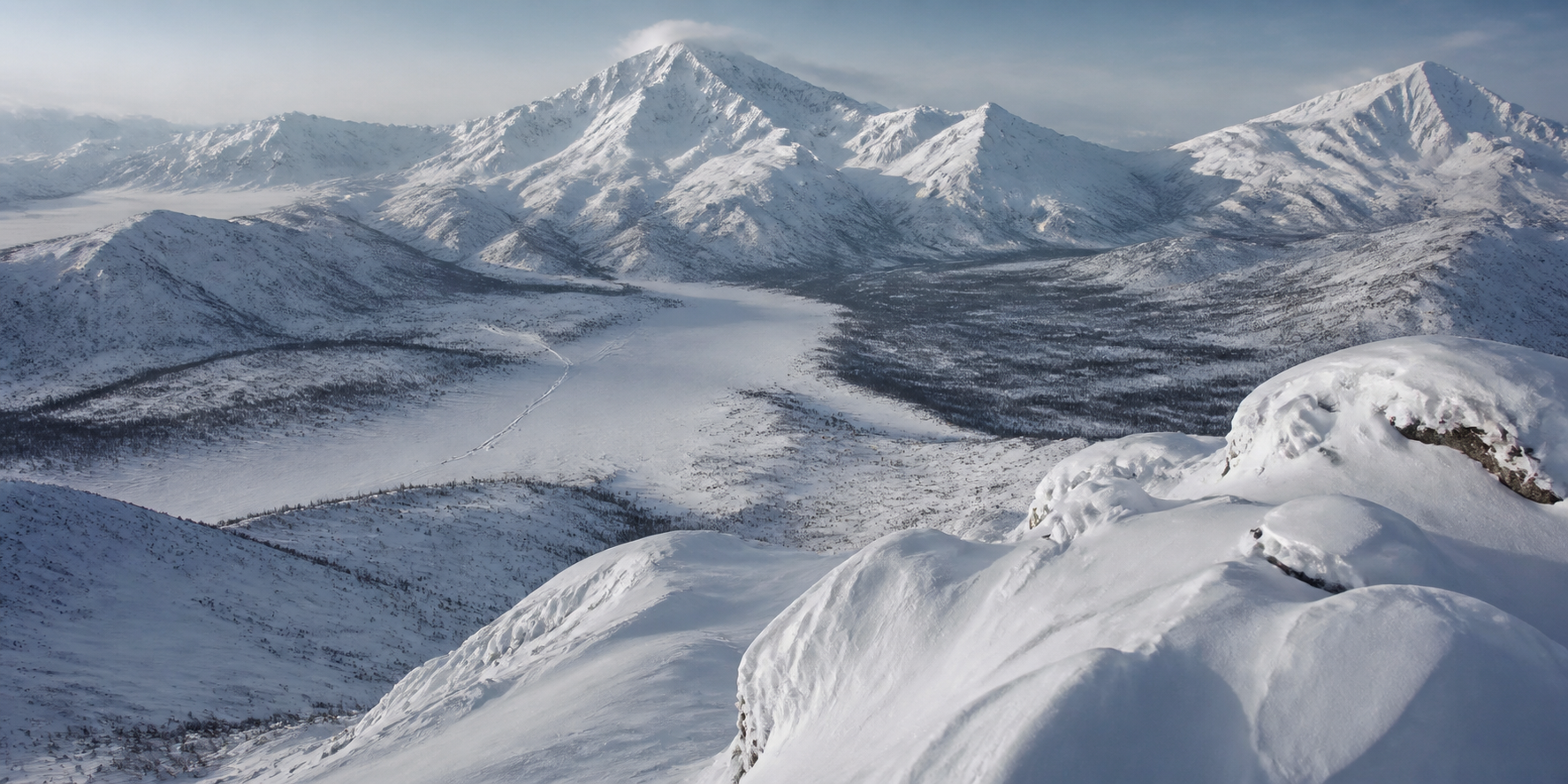
Russia leads because its strongest regions support fundamentally different kinds of winter adventure. Kamchatka brings deep maritime snow, volcanic freeride and ski touring, often with snowmobile approaches and thermal-water stops. Lake Baikal adds guided travel among pressure ridges, ice caves and changing frozen surfaces.
Kola Peninsula & Murmansk contributes Arctic snowmobiling, Khibiny skiing, aurora and tundra or Barents-coast journeys. Altai & Siberia adds continental mountain terrain, while Karelia supplies forest-and-lake routes and sledding. These are separate long-distance trips, and Kamchatka or Baikal reward specialist planning and flexibility around conditions.
Best for
- Volcanic freeride, ski touring and snowmobile-supported routes
- Guided journeys on Lake Baikal ice
- Arctic, mountain and taiga adventure across very different environments
Pros / Cons
- Pros: Exceptional variety from volcanic powder to frozen-lake travel; several experiences that are difficult to reproduce elsewhere; strong snow, ice and wilderness settings.
- Cons: The headline regions need separate itineraries; remote trips depend heavily on guides, transfers and weather; severe cold and limited daylight affect some routes.
Practical snapshot
- Best months: December to March overall; Kamchatka snow adventures often extend from January into April, while established Baikal ice is usually a February–March focus.
- Five-day Kamchatka ground benchmark: Approximately RUB 60,000–150,000 (approx. £520–£1,300) per person. The lower end reflects simpler winter stays and shared activities; specialist freeride, snowmobile, helicopter-supported or private programmes can cost substantially more.
- Entry requirements: See the country winter guide for current UK entry information.
What travellers say
Winter visitors to Kamchatka repeatedly highlight the powder, volcanic scenery and contrast of thermal pools after a cold day. Baikal discussions focus on the scale and unusual appearance of clear, cracked and ridged ice. Specialist activities are weather-dependent and can be expensive, while safe ice access requires correct timing and local knowledge.
2. Canada — 9.5/10
Why it ranks here
Canada combines world-class mountain terrain with a broad activity menu. Banff and Lake Louise offer downhill and cross-country skiing, snowboarding, snowshoeing and frozen-lake scenery. Whistler adds resort-scale terrain, while the north opens a different trip around aurora, sledding, boreal wilderness and wildlife.
The country scores particularly well for natural setting and adventure intensity. Travellers can choose a polished mountain base or a more remote northern programme without losing the sense of a real winter environment. Its slight gap behind Russia comes from uniqueness: the Rockies and northern wilderness are magnificent, but more of the core activity set—skiing, snowshoeing and sledding—has close equivalents in other leading countries.
Best for
- Big-mountain skiing and snowboarding
- Combining resort infrastructure with genuine wilderness
- Northern lights, dog sledding and winter wildlife
Pros / Cons
- Pros: Excellent western mountain terrain; a wide range of active and gentler options; vast forest, lake and northern landscapes.
- Cons: Major regions require long journeys; resorts and remote northern programmes can be expensive; severe cold affects inland and northern trips.
Practical snapshot
- Best months: December to March, with timing varying by mountain, northern and wildlife experience.
- Approximate seven-day ground budget: CAD 690–1,900 (approx. £370–£1,010) per person. Lift passes, equipment hire, guided wildlife trips and remote northern packages can push the real adventure budget above this baseline.
- Entry requirements: See the country winter guide for current UK entry information.
What travellers say
Travellers praise the scale and the ability to combine mountain sport with frozen lakes, forests and northern experiences. Discussions stress how conditions differ between the Rockies, Pacific mountains and far north. Recurring concerns are distance, serious cold and the price of prominent resorts or remote excursions.
3. Norway — 9.4/10
Why it ranks here
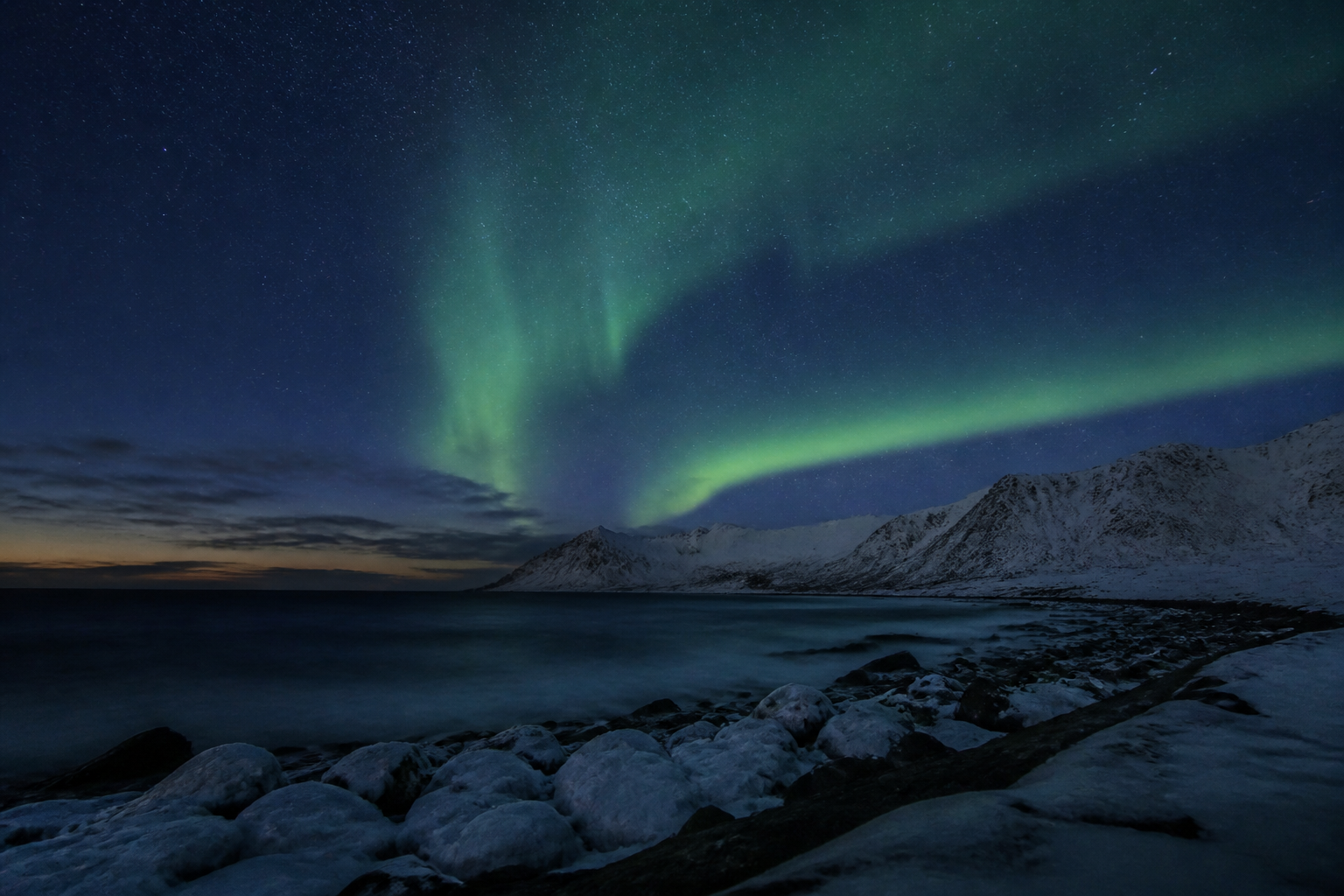
Norway is the strongest choice for travellers who want active Arctic terrain closely connected to the sea. The Lyngen Alps are the defining adventure asset: ski-touring routes rise above fjords, creating a distinctive mountain-and-coast experience. Tromso, Alta and Finnmark broaden the programme with dog sledding, reindeer experiences, snowshoeing, cross-country skiing, winter cruises and aurora nights, while Svalbard adds a high-Arctic environment.
Steep mountains, fjords, islands and open northern landscapes support the high score. Snow can be excellent inland and in the mountains, but exposed coastal conditions change quickly, so guided activities and ski objectives need flexibility.
Best for
- Arctic ski touring above fjords
- Active trips mixing mountains, coast and wildlife
- Dog or reindeer sledding in a northern setting
Pros / Cons
- Pros: Dramatic fjord-and-mountain terrain; a broad Arctic programme; strong bases and distinctive wildlife possibilities.
- Cons: Coastal weather affects plans and snow consistency; food and guided activities are costly; polar night reduces daylight.
Practical snapshot
- Best months: December to March for the broad winter programme; individual ski-touring and wildlife seasons require more precise timing.
- Approximate seven-day ground budget: NOK 3,700–9,000 (approx. £290–£710) per person. This baseline does not represent a full guided ski-touring, sledding or Svalbard programme, which can be materially more expensive.
- Entry requirements: See the country winter guide for current UK entry information.
What travellers say
Visitors highlight Tromso's organised activities and the impact of travelling between snowy peaks, fjords and Arctic coast. Ski-focused travellers value northern terrain, while others remember sledding and aurora nights. High excursion and food prices recur alongside weather-driven rescheduling.
4. Japan — 9.3/10
Why it ranks here
Japan is the specialist leader for powder-focused winter adventure. Hokkaido destinations such as Niseko and Furano are known for consistent, expressive snow, while Hakuba, Shiga Kogen and Tohoku add mountain variety. Downhill skiing and snowboarding are the central strengths, supported by snowshoeing, winter hiking and travel through deep-snow landscapes.
Demanding days on snow can be paired with onsen, ryokan stays and regional food, while Zao's snow monsters and Nagano's snow monkeys add experiences beyond the piste. Japan sits below the top three because its high-intensity offer centres more narrowly on mountain snow sport.
Best for
- Reliable deep-powder skiing and snowboarding
- Mountain adventure followed by onsen
- Mixing snow sport with distinctive winter culture
Pros / Cons
- Pros: Exceptional snow quality; a large ski-area network; strong food, hot-spring and lodging culture; good non-ski alternatives.
- Cons: Famous destinations can be busy; regional transfers add cost; backcountry terrain requires suitable knowledge and guidance.
Practical snapshot
- Best months: January and February for the strongest powder focus; the wider season generally runs from December into March or April by region.
- Approximate seven-day ground budget: JPY 60,000–152,000 (approx. £280–£710) per person. Lift passes, equipment hire, lessons and premium ski accommodation can raise the total.
- Entry requirements: See the country winter guide for current UK entry information.
What travellers say
Travellers celebrate light powder, efficient ski infrastructure and pairing the mountain with an onsen. Reports also value the food and cultural contrast around the snow. Common frustrations include peak crowds, late-season variability and planning transport or popular accommodation.
5. Finland — 9.0/10
Why it ranks here
Finland offers the most dependable all-round activity package for travellers who prefer organised Arctic experiences to steep or expedition-style terrain. Rovaniemi, Levi, Saariselka, Inari and Ruka provide husky and reindeer trips, snowmobiling, downhill and cross-country skiing, snowshoeing, sauna and winter swimming. Lapland's long snow season and developed trail network make it straightforward to build several activities into one stay.
Forests, fells and frozen lakes create a convincing setting, but the terrain is less dramatic than Kamchatka, the Rockies or Norway's coastal mountains. Finland scores highly for variety and snow reliability, but lower for distinctiveness and intensity.
Best for
- A broad, dependable programme from one Lapland base
- Cross-country skiing and snowmobiling
- Husky, reindeer, sauna and family-friendly activities
Pros / Cons
- Pros: Reliable Lapland snow; excellent organisation; a strong mix for skiers and non-skiers; forest, fell and lake settings.
- Cons: Less intense mountain terrain; premium cabins and activities add up; far-northern midwinter daylight is very limited.
Practical snapshot
- Best months: December to March, with February and March offering more daylight while retaining strong snow conditions in Lapland.
- Approximate seven-day ground budget: EUR 525–1,270 (approx. £450–£1,090) per person. Multiple husky, reindeer or snowmobile excursions can move the total beyond the basic range.
- Entry requirements: See the country winter guide for current UK entry information.
What travellers say
Lapland reports praise deep snow, quiet forests and the ease of booking contrasting activities from one base. Husky trips, sauna and northern-light nights are frequent highlights. Short organised activities and specialised accommodation can make a simple itinerary expensive.
6. Iceland — 8.6/10
Why it ranks here
Iceland has some of the most distinctive individual adventures in the ranking. Guided glacier hiking and seasonal ice-cave visits place travellers directly in a glacial environment, while geothermal bathing creates a powerful hot-and-cold contrast. The South Coast, Vatnajokull and Jokulsarlon also combine waterfalls, black beaches and volcanic landforms within a concentrated route.
The lower score reflects a narrower activity mix, not a weak setting. Iceland excels at guided ice and landscape experiences but offers less breadth in dependable snow sport and sledding than the leaders. Coastal snow is less reliable, and wind or roads can alter plans quickly.
Best for
- Guided glacier hiking and seasonal ice caves
- Volcanic winter landscapes
- Combining adventure with geothermal bathing
Pros / Cons
- Pros: A singular glacial, volcanic and geothermal combination; strong guided experiences; many major subjects fit one regional route.
- Cons: A narrower activity range; winds and road conditions disrupt itineraries; guided ice activities and accommodation are expensive.
Practical snapshot
- Best months: November to March for the broad winter season; ice-cave access depends on seasonal conditions and professional assessment.
- Approximate seven-day ground budget: ISK 96,000–223,000 (approx. £580–£1,340) per person. Glacier and ice-cave tours, vehicle costs and winter accommodation can materially increase the total.
- Entry requirements: See the country winter guide for current UK entry information.
What travellers say
Winter visitors describe glacier features, waterfalls, dark coasts and geothermal bathing as a remarkably varied combination. They stress that conditions can change quickly. Flexible plans matter because wind, road closures or guide safety decisions may override a fixed itinerary.
FAQ
Which country is best for winter adventure travel?
Russia ranks first because Kamchatka, Baikal, Kola and Altai support unusually different kinds of high-intensity winter travel. Canada leads for big-mountain sport and northern wilderness; Norway excels at Arctic ski touring.
Where is best for skiing and freeride?
Japan is the clearest choice for deep powder and established ski areas. Canada is strong for big-mountain resorts, Norway for Arctic touring and Russia for specialist Kamchatka freeride. Backcountry and glacier objectives require appropriate expertise and often qualified guides.
What unusual winter activities are available beyond skiing?
Lake Baikal offers guided travel among clear ice, pressure ridges and ice caves, while Kamchatka combines snow routes with thermal bathing. Iceland specialises in glacier hiking and seasonal ice caves; Finland and Norway add husky or reindeer experiences, snowmobiling and Arctic nature programmes; northern Canada adds wildlife and aurora-focused trips.
Which countries are best for Arctic winter adventure?
Norway and Russia provide the most varied Arctic combinations, from fjord mountains and Svalbard to Kola tundra and the Barents coast. Finland is a structured forest-and-fell choice, while Canada offers immense northern landscapes and wildlife programmes.
Which winter adventures require a guide?
Glacier hikes, ice caves, backcountry or volcanic freeride, unfamiliar Baikal ice routes and specialist Arctic wildlife trips should normally be undertaken with suitable professional support. Conditions can change quickly, and a destination being popular does not make every route safe for independent travel. Resort pistes, marked cross-country trails and established local activities are usually easier to plan independently, subject to local rules and conditions.
Sources & notes
The comparison uses official climate and tourism information plus previously collected traveller discussions. Key references include:
- Kamchatka travel guide and Kamchatka thermal springs
- Kamchatka tour price examples
- Russian Geographical Society: winter Lake Baikal
- Murmansk regional tourism information
- Altai winter tourism information
- Destination Canada: Canada is the home of winter
- Visit Tromso: winter
- Japan National Tourism Organization: skiing
- Visit Finland: winter activities
- Icelandic Met Office climate report
- Cost baselines: Canada, Norway, Japan, Finland and Iceland
- Kamchatka snowboard traveller discussion
- Lake Baikal winter traveller discussion
- Winter traveller reports: Canada, Norway, Japan, Finland and Iceland
Budgets are broad ground-cost benchmarks rather than quotes. Activity choices, internal transport, accommodation level, season and weather-related changes can materially affect the final cost.
GBP equivalents are approximate and use exchange rates checked on 20 August 2026. Actual exchange rates may vary.