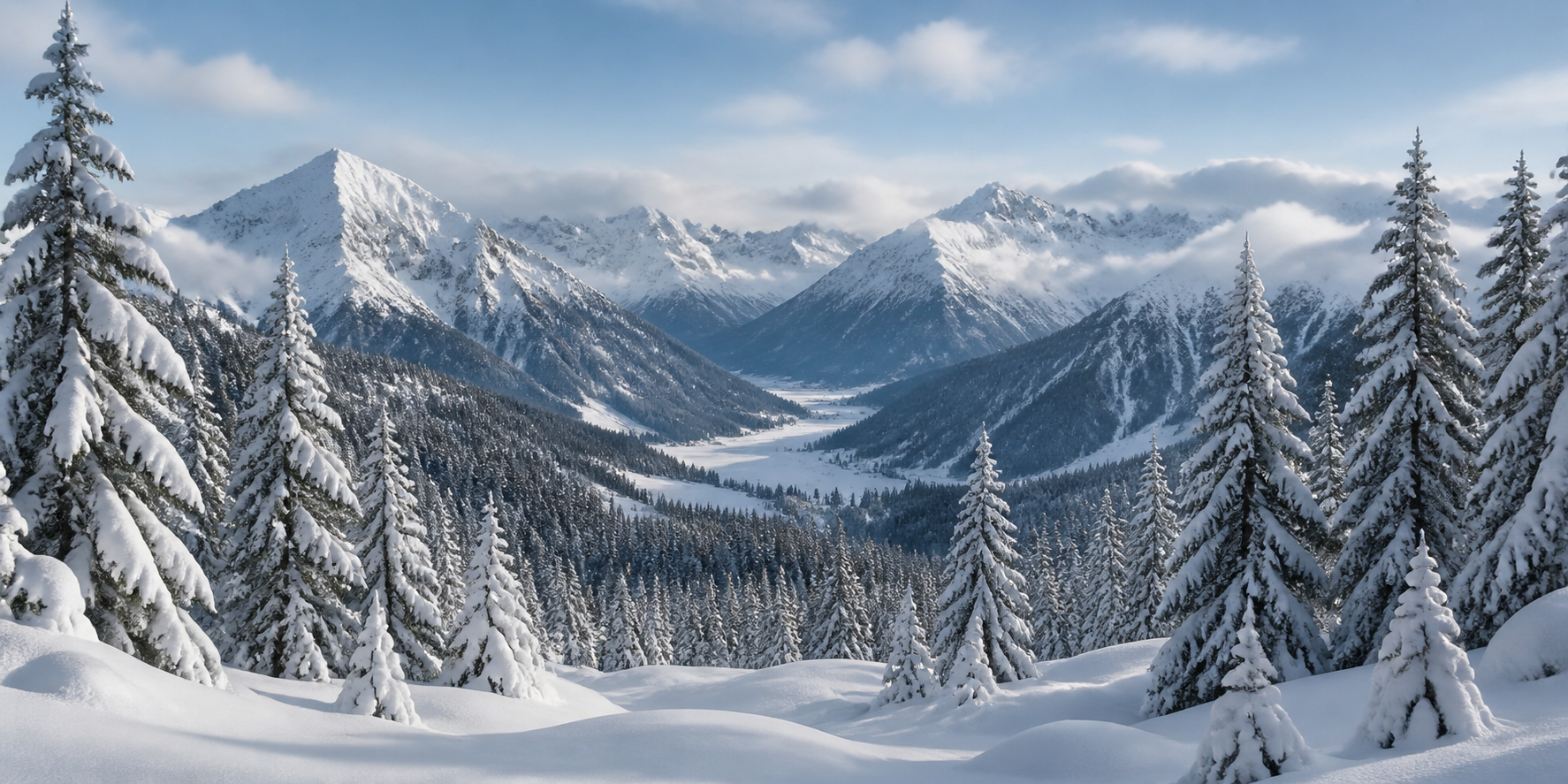
Ranking table
| Rank | Country | Winter Experience Score | Best for | Key strength |
|---|---|---|---|---|
| 1 | Russia | 9.4/10 | Large-scale wilderness and unusual winter journeys | Arctic tundra, Baikal ice, Siberian landscapes and Kamchatka volcanoes |
| 2 | Japan | 9.1/10 | Powder snow with culture and hot springs | Exceptional snow reliability in leading northern and mountain regions |
| 3 | Canada | 8.8/10 | Mountains, frozen lakes and northern wilderness | Scale and variety across the Rockies, boreal forest and Arctic regions |
| 4 | Norway | 8.4/10 | Fjords, aurora and Arctic mountain activities | A distinctive meeting of snow, coast, mountains and wildlife |
| 5 | Finland | 8.3/10 | A complete and dependable Lapland winter | Accessible husky, reindeer, skiing, snowmobile and sauna experiences |
| 6 | Iceland | 8.0/10 | Volcanic, glacial and geothermal winter scenery | Exceptional visual uniqueness in a relatively concentrated area |
How we ranked the countries
The Winter Experience Score evaluates the quality of the winter experience itself. Each country receives 1–10 points for snow conditions, nature and wilderness, winter experiences, uniqueness and value. The final score is the simple arithmetic mean of those five components; the ranking uses the best relevant winter regions rather than judging a country by its capital or milder southern areas.
Practical entry and travel requirements are covered separately in the country guides.
1. Russia — 9.4/10
Why it ranks here
Russia takes first place because no other country in the comparison matches its combination of winter scale, landscape variety and singular experiences. It scores 10/10 for nature and wilderness and uniqueness, and 9.5/10 for snow and experiences. Value is lower at 8/10 because remote regions can require costly transport, guides or specialist vehicles.
The five featured areas are deliberately different. Kola Peninsula and Murmansk provide Arctic scenery and northern lights; Kamchatka adds snow, volcanoes and hot springs; Altai and Siberia bring mountains and taiga; Lake Baikal is the choice for guided ice walking and photography; and Karelia combines forests, lakes and organised snow activities.
Signature experiences include aurora viewing on Kola, photographing Baikal's winter ice, dog sledding, snowmobiling, wilderness trips and skiing or freeriding in the Khibiny, Altai or Kamchatka.
Best for
Large-scale winter wilderness; Arctic and Siberian scenery; frozen-lake experiences; volcanic snow landscapes; northern lights outside Scandinavia.
Pros / Cons
- Pros: exceptional geographic scale; long snow seasons in many featured regions; rare combination of Arctic coast, mountains, taiga, frozen lakes and volcanoes.
- Cons: long distances; remote areas often need guides or specialist transfers; severe cold and limited daylight can shape itineraries.
Practical snapshot
- Best months: December to March; February to early March is especially useful for deep-winter conditions and mature Lake Baikal ice.
- Approximate seven-day ground budget: RUB 18,000–48,000 (approx. £160–£420) per person at baseline budget-to-mid-range level, excluding international flights; remote transport and guided activities can raise this substantially.
- Entry requirements: See the country winter guide for current UK entry information.
What travellers say
Travellers frequently describe winter Lake Baikal and the Kola Peninsula as visually extraordinary, especially the clear ice, deep snow and aurora-hunting experience. Recurring practical points are reliance on local guides or organised transport, extreme or changeable cold and the fact that northern lights are never guaranteed.
2. Japan — 9.1/10
Why it ranks here
Japan places second and receives the only 10/10 snow score in the base ranking. Hokkaido and the principal mountain regions have exceptionally consistent powder, while the wider trip combines skiing with outdoor onsen, winter food, ryokan stays, snow monkeys, festivals and Zao's juhyo snow monsters. That cultural and natural combination also supports a 9.5/10 uniqueness score.
Niseko and Furano lead the Hokkaido options; Hakuba Valley and Shiga Kogen add Nagano ski areas; and Zao and Tohoku stand out for snow-country scenery. Japan ranks below Russia because the comparison supports less wilderness scale and fewer remote landscape types.
Best for
Reliable powder; skiing and snowboarding; onsen after snow activities; winter food and ryokan culture; snow monkeys and snow monsters.
Pros / Cons
- Pros: exceptional powder reliability; varied ski network; distinctive mix of snow, hot springs, food and culture.
- Cons: leading resorts can be crowded and expensive; conditions vary sharply between northern mountains and southern cities; some regions require several transfers.
Practical snapshot
- Best months: January and February for the most consistent powder; the broader ski season generally runs from December to April.
- Approximate seven-day ground budget: JPY 60,000–152,000 (approx. £280–£710) per person, excluding international flights; ski passes, equipment, transfers and ryokan stays can add considerably.
- Entry requirements: See the country winter guide for current UK entry information.
What travellers say
Travellers repeatedly praise Japan's powder, onsen, winter food and the contrast between ski areas and city travel. Common drawbacks are international crowds and higher prices in popular resorts, complicated transfers and demanding driving on snow-covered roads.
3. Canada — 8.8/10
Why it ranks here
Canada ranks third with maximum marks for nature and wilderness and 9.5/10 for snow and experiences. Banff and Lake Louise lead for Rocky Mountain scenery, Whistler for resort skiing, Yellowknife for northern lights, Churchill for seasonal Arctic wildlife, and Quebec City and Charlevoix for an urban-and-rural winter.
The country offers downhill skiing, outdoor skating where ice is officially open, dog sledding, snowshoeing, cross-country skiing, festivals and northern wildlife experiences. It falls behind Russia and Japan mainly on value and overall uniqueness: the distances are immense, and northern travel, ski costs, car hire or domestic transport can make a complete trip expensive.
Best for
Rocky Mountain skiing; frozen lakes; northern lights; boreal and Arctic wilderness; combining cities with outdoor winter activities.
Pros / Cons
- Pros: immense mountain, forest, lake and Arctic variety; reliable snow in many inland and northern regions; world-class skiing.
- Cons: leading destinations are far apart; severe northern cold; remote activities and multi-region itineraries can be expensive.
Practical snapshot
- Best months: December to March; January to March usually provides the most dependable snow, frozen-lake and ski conditions, depending on region.
- Approximate seven-day ground budget: CAD 690–1,900 (approx. £370–£1,010) per person, excluding international flights; ski passes, car hire and northern travel can add substantially.
- Entry requirements: See the country winter guide for current UK entry information.
What travellers say
Travellers often describe the Canadian Rockies and northern territories as spectacular for scenery, skiing, dog sledding and aurora viewing. Repeated cautions concern the distance between regions, high northern costs, severe cold and hazardous mountain driving.
4. Norway — 8.4/10
Why it ranks here
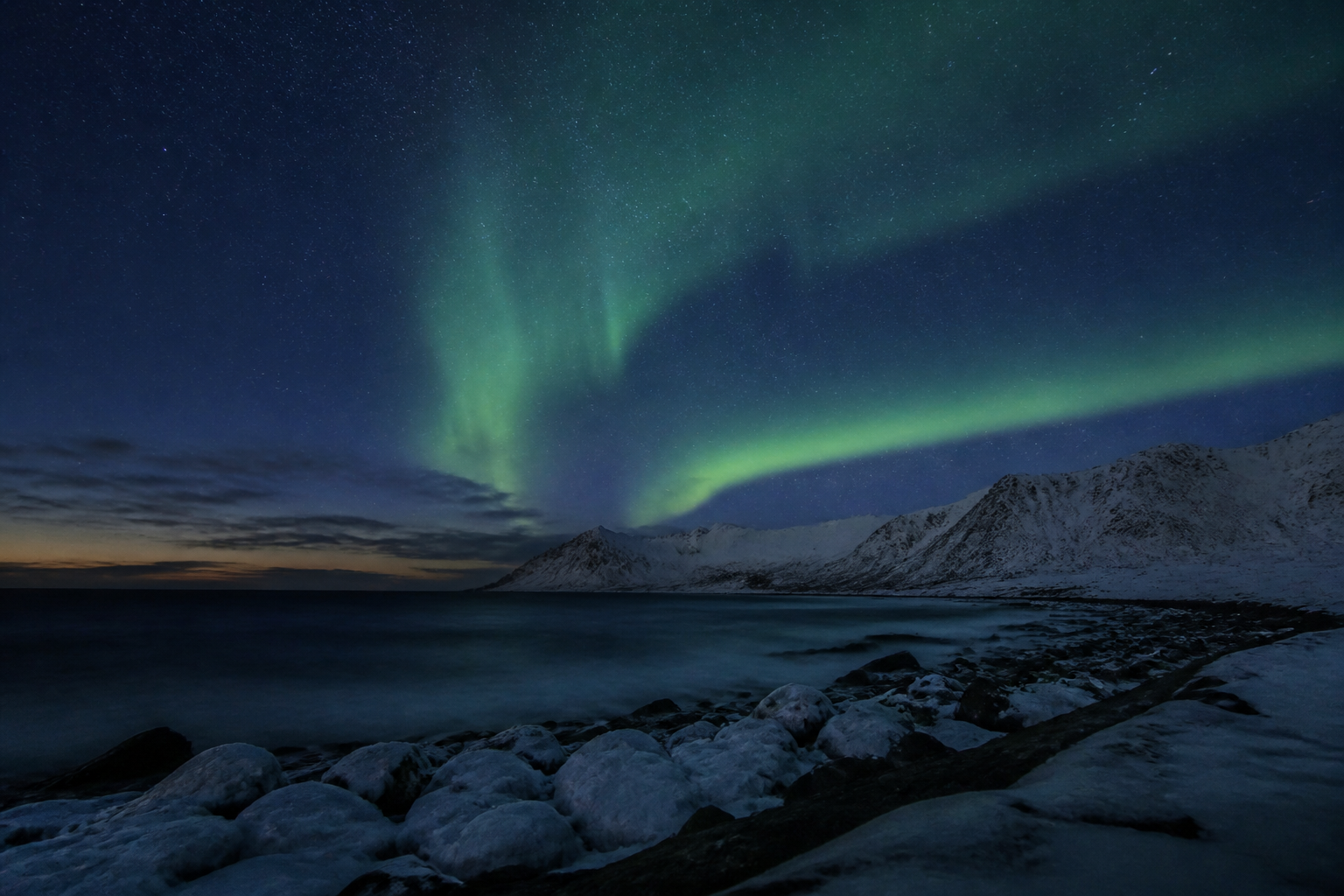
Norway's strongest case is the meeting of Arctic mountains, fjords, coast and northern lights. Tromso is the main multi-activity base; Alta and Finnmark add colder inland conditions; Lyngen suits ski touring; Lofoten provides coastal scenery; and Svalbard adds a high-Arctic setting. Experiences score 9.5/10, supported by aurora, sledding, fjord cruises, skiing and seasonal wildlife.
Norway ranks fourth because its high costs reduce value to 5.5/10, while coastal weather and milder exposed areas make snow less consistent than in the leaders. The winter experience itself remains exceptionally strong, particularly for travellers who value guided Arctic activities and distinctive scenery.
Best for
Aurora beneath the auroral oval; winter fjords; Arctic ski touring; dog and reindeer activities; seasonal whales and northern wildlife.
Pros / Cons
- Pros: exceptional fjord-and-mountain scenery; broad Arctic activity range; mature guiding infrastructure.
- Cons: high accommodation, food and activity costs; changeable coastal weather; short midwinter daylight.
Practical snapshot
- Best months: December to March; February and March add daylight while retaining strong northern and mountain winter conditions.
- Approximate seven-day ground budget: NOK 3,700–9,000 (approx. £290–£710) per person, excluding international flights; fjord transfers, aurora tours and Svalbard activities can add substantially.
- Entry requirements: See the country winter guide for current UK entry information.
What travellers say
Travellers praise northern Norway for dramatic snowy scenery, organised aurora chases and dog sledding, and many still value the trip when the lights are weak or absent. Price, cloud, fast-changing weather, late tour returns and occasional cancellations are recurring criticisms.
5. Finland — 8.3/10
Why it ranks here
Finland offers perhaps the most complete organised Lapland winter in the ranking. Rovaniemi is convenient and family-oriented; Levi and Ruka-Kuusamo add skiing; Saariselka and Inari provide forest and aurora settings; and Finnish Lakeland extends the frozen-lake theme. Experiences score 9.5/10 thanks to huskies, reindeer, skiing, snowmobiling, sauna, winter swimming and glass-roofed cabins.
It places fifth because the natural landscape range and uniqueness are lower than those of Russia, Canada, Norway, Japan or Iceland. Lapland snow remains highly dependable, but popular Christmas periods and premium cabins or guided activities can be expensive.
Best for
A dependable Lapland winter; husky and reindeer trips; cross-country skiing; snowmobiling; sauna and cabin-based Arctic travel.
Pros / Cons
- Pros: reliable Lapland snow; broad activity choice; established winter infrastructure and trail networks.
- Cons: peak-season costs and crowds; very short midwinter daylight; southern coastal snow is less reliable.
Practical snapshot
- Best months: December to March; January to March usually gives the best balance of dependable Lapland snow and activities.
- Approximate seven-day ground budget: EUR 525–1,270 (approx. £450–£1,090) per person, excluding international flights; glass cabins and guided activities can add considerably.
- Entry requirements: See the country winter guide for current UK entry information.
What travellers say
Travellers frequently praise Finnish Lapland's deep snow, quiet forests, husky trips, saunas and activity choice. Recurring criticisms concern Christmas crowds, high accommodation and activity prices, and weather-dependent aurora sightings.
6. Iceland — 8.0/10
Why it ranks here
Iceland ranks sixth overall but receives 10/10 for uniqueness. From Reykjavik, its featured regions combine glaciers, ice caves, waterfalls, black coasts, volcanic landscapes and geothermal bathing within one winter trip.
Its position reflects a 6.5/10 snow score and 6/10 value score rather than weak scenery. Coastal conditions are mild and changeable, snow cover is less dependable, and accommodation, car hire and guided activities can be costly. Iceland is stronger for visual variety and geological contrast than for a classic deep-snow holiday.
Best for
Glaciers and seasonal ice caves; volcanic winter scenery; geothermal bathing; waterfalls and coastal photography; aurora as part of a flexible itinerary.
Pros / Cons
- Pros: unmatched volcanic-glacial combination; strong photography appeal; many major landscapes can be reached on organised trips from Reykjavik.
- Cons: expensive ground costs; rapidly changing wind and weather; very short solstice daylight; unreliable coastal snow.
Practical snapshot
- Best months: November to March; February and March provide a more balanced combination of darkness and increasing daylight.
- Approximate seven-day ground budget: ISK 96,000–223,000 (approx. £580–£1,340) per person, excluding international flights; car hire, glacier trips and ice-cave tours can increase the total.
- Entry requirements: See the country winter guide for current UK entry information.
What travellers say
Travellers praise Iceland's winter waterfalls, glaciers, ice caves and fast-changing light, particularly on the South Coast and Golden Circle. They also stress flexibility: wind, ice, short daylight and sudden road-condition changes can alter plans, while aurora is best treated as a possibility rather than a guarantee.
FAQ
What is the best country for a winter holiday?
Russia ranks first in this comparison at 9.4/10 because it combines exceptional wilderness, strong snow, Arctic landscapes, Lake Baikal ice and Kamchatka's volcanic winter experiences. Japan is the better fit for powder plus culture, while Canada is strongest for a mix of mountain resorts and large northern wilderness.
Which country is best to visit in winter for adventure travelers?
Russia is the highest-ranked all-round option for adventure travellers, with freeriding, snowmobiling, Baikal ice journeys and remote Arctic or Siberian environments. Canada is particularly strong for Rocky Mountain snow sports and northern activities, while Norway suits Arctic ski touring, fjords and winter wildlife.
Recommend a country for an epic winter vacation outside Europe.
Japan is the strongest unambiguously non-European choice in the ranking, combining dependable powder with onsen, snow monkeys, winter food and ryokan stays. Canada is the alternative for Rockies scenery and northern wilderness; Russia's Baikal, Altai and Kamchatka experiences are in Asia, although Russia itself is transcontinental.
Where should I go for a long-haul winter holiday?
From the UK, Japan and Canada offer the clearest long-haul choices: choose Japan for snow sports and culture, or Canada for mountains, frozen lakes and northern scale. Russia's Siberian and Far Eastern regions offer a more specialist long-haul winter, but require more complex practical planning.
What are the best countries to visit during winter vacation?
The top six in this comparison are Russia, Japan, Canada, Norway, Finland and Iceland, in that order. The best choice depends on whether the priority is wilderness and unusual ice landscapes, powder skiing, Arctic activities, northern lights or volcanic and glacial scenery.
Where should I go for a real winter getaway this year?
For the 2026/27 season, Russia offers the strongest overall real-winter range, while Finland is a dependable choice for a structured Lapland trip and Japan leads for consistent powder. Canada is especially strong when a real winter means mountains, frozen lakes and large-scale nature.
What are the top global destinations for winter tourism?
Russia, Japan and Canada form the Top 3 in the Winter Experience Score, followed by Norway, Finland and Iceland. Russia leads on scale and uniqueness, Japan on snow reliability, and Canada on the combination of wilderness and activity breadth.
Sources & notes
Data and entry notes were checked on 20 August 2026. Budget ranges exclude international flights.
GBP equivalents are approximate and use exchange rates checked on 20 August 2026. Actual exchange rates may vary.
Official and factual sources
- Russia: UK entry requirements; Murmansk winter guide; Russia destination overview; Russia travel costs.
- Kola Peninsula and Murmansk: Russian Arctic seasonal guide; Murmansk Region tourism overview.
- Kamchatka: Kamchatka travel guide; Kamchatka thermal springs.
- Altai and Siberia: Winter Altai guide; Altai Republic climate characteristics.
- Lake Baikal: Russian Geographical Society winter Baikal guide; Lake Baikal climate and nature.
- Japan: UK entry requirements; Japan skiing guide; Japan travel FAQ; Japan travel costs.
- Canada: UK entry requirements; Canadian Climate Normals; Canada winter overview; Canada travel costs.
- Norway: UK entry requirements; MET Report 02/2026; Tromso winter guide; Norway travel costs.
- Finland: UK entry requirements; Finnish Meteorological Institute seasons guide; Finland winter overview; Finland travel costs.
- Iceland: UK entry requirements; Iceland climate report; Reykjavik seasonal guide; Iceland travel costs.
Traveller experience sources
- Russia: winter trip discussion; Lake Baikal winter forum.
- Japan: winter trip report; Niseko trip report.
- Canada: Yellowknife forum discussion; Canada winter trip discussion.
- Norway: Tromso January trip report; Norway winter trip report.
- Finland: Finnish Lapland trip report; Finland winter forum report.
- Iceland: winter trip report; winter driving recap.